To the source of the Želivka
From the Hejlovka over Křemešník to coffee at 8smička.
Do you know where Prague’s drinking water comes from? From the Želivka. So we loaded all three kids into the car and set off for the Pelhřimov region to find out where the river begins.
A spring with two names
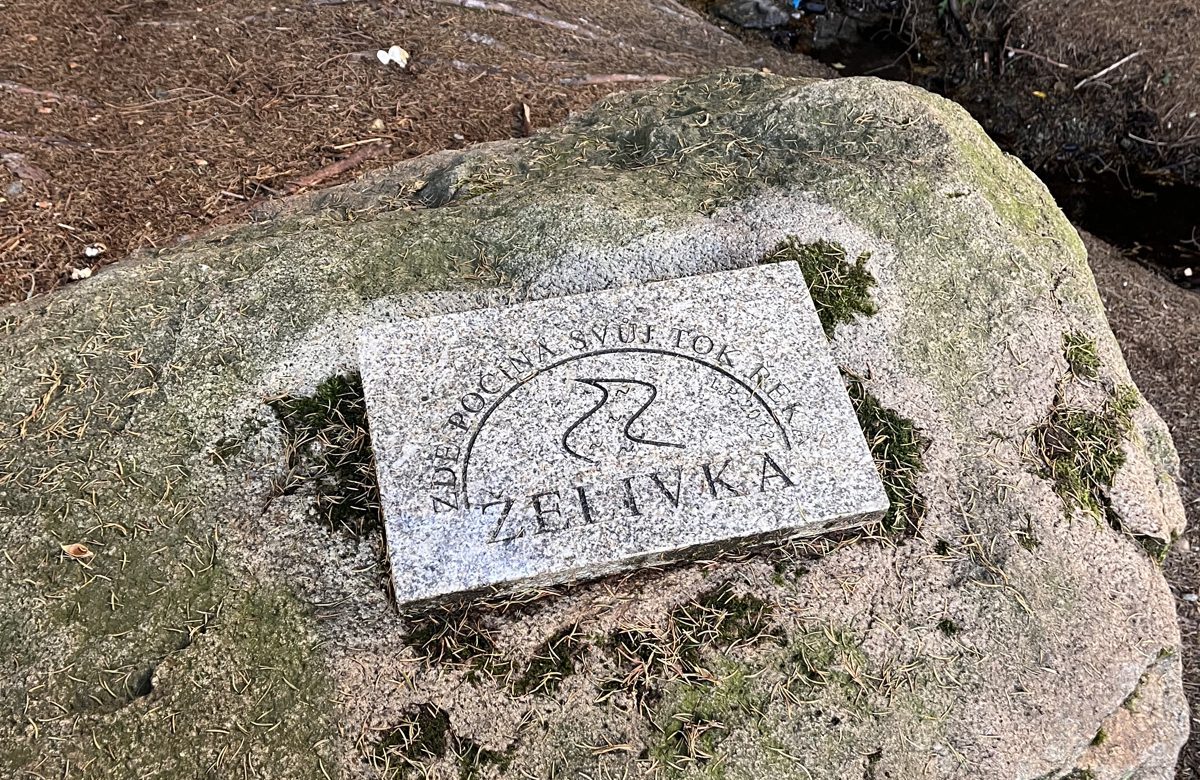
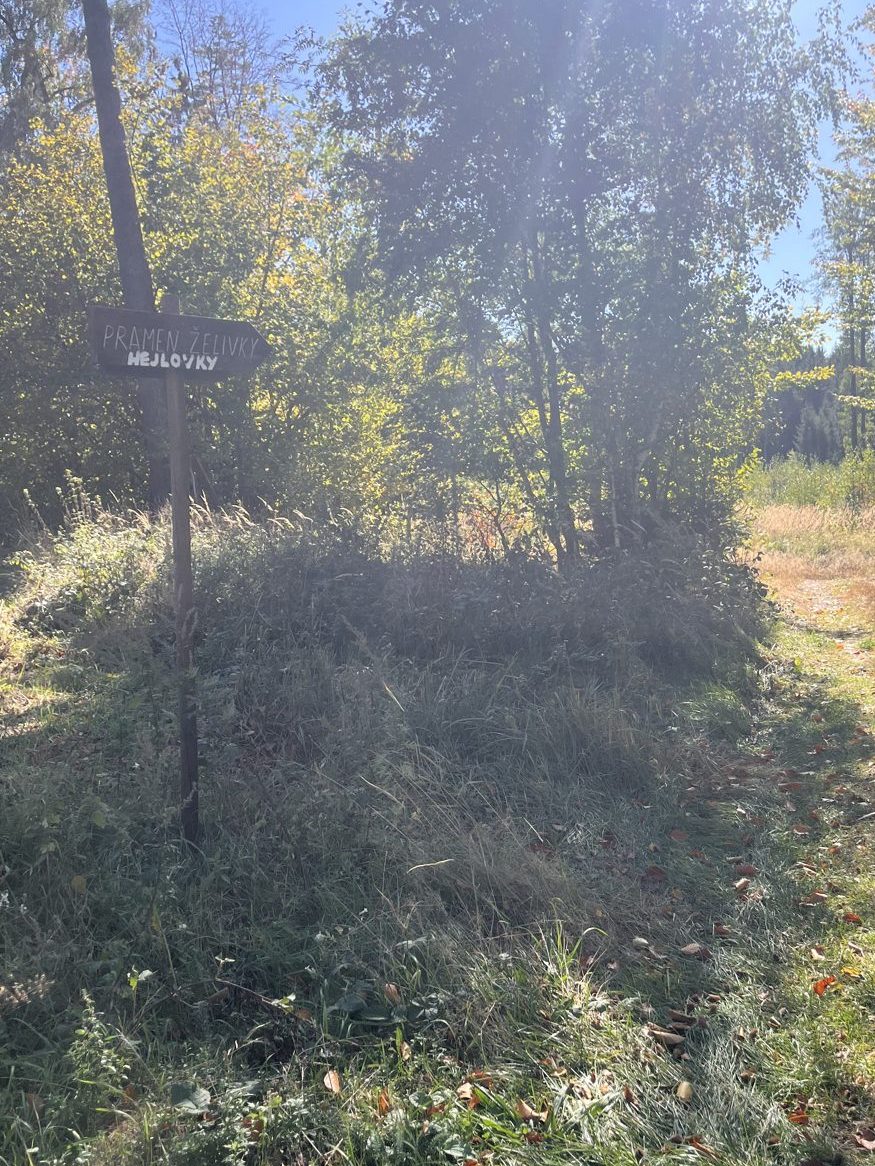
The spring lies in a quiet corner of the countryside between Mezná and Vlásenice-Drbohlavy, below Bukový kopec hill, about ten kilometres south of Pelhřimov. The sign says “pramen Želivky” (source of the Želivka), but it also says “Hejlovka”. So which is it?
Both signs are right. The river really does rise here, it just isn’t called the Želivka in its upper reaches yet. For the first 40 kilometres or so it is the little Hejlovka river (also called Hejlovský potok). It only takes the name Želivka at the Sedlice reservoir, where the Hejlovka meets the Jankovský brook. Then it flows on to Želiv, fills the big Švihov reservoir, which everyone calls “Želivka” anyway, and joins the Sázava at Soutice. Including the Hejlovka, the whole river is almost 104 kilometres long.
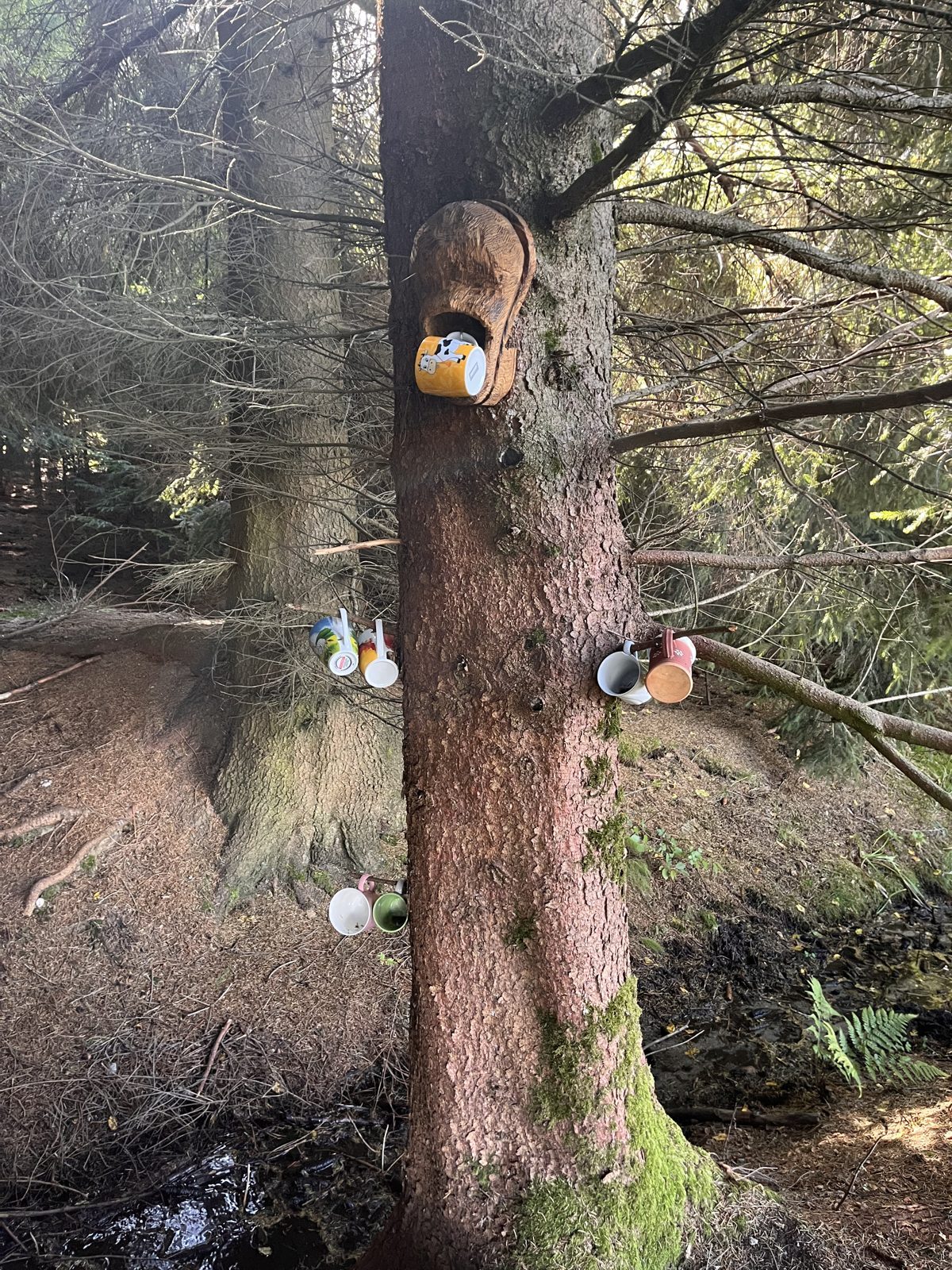
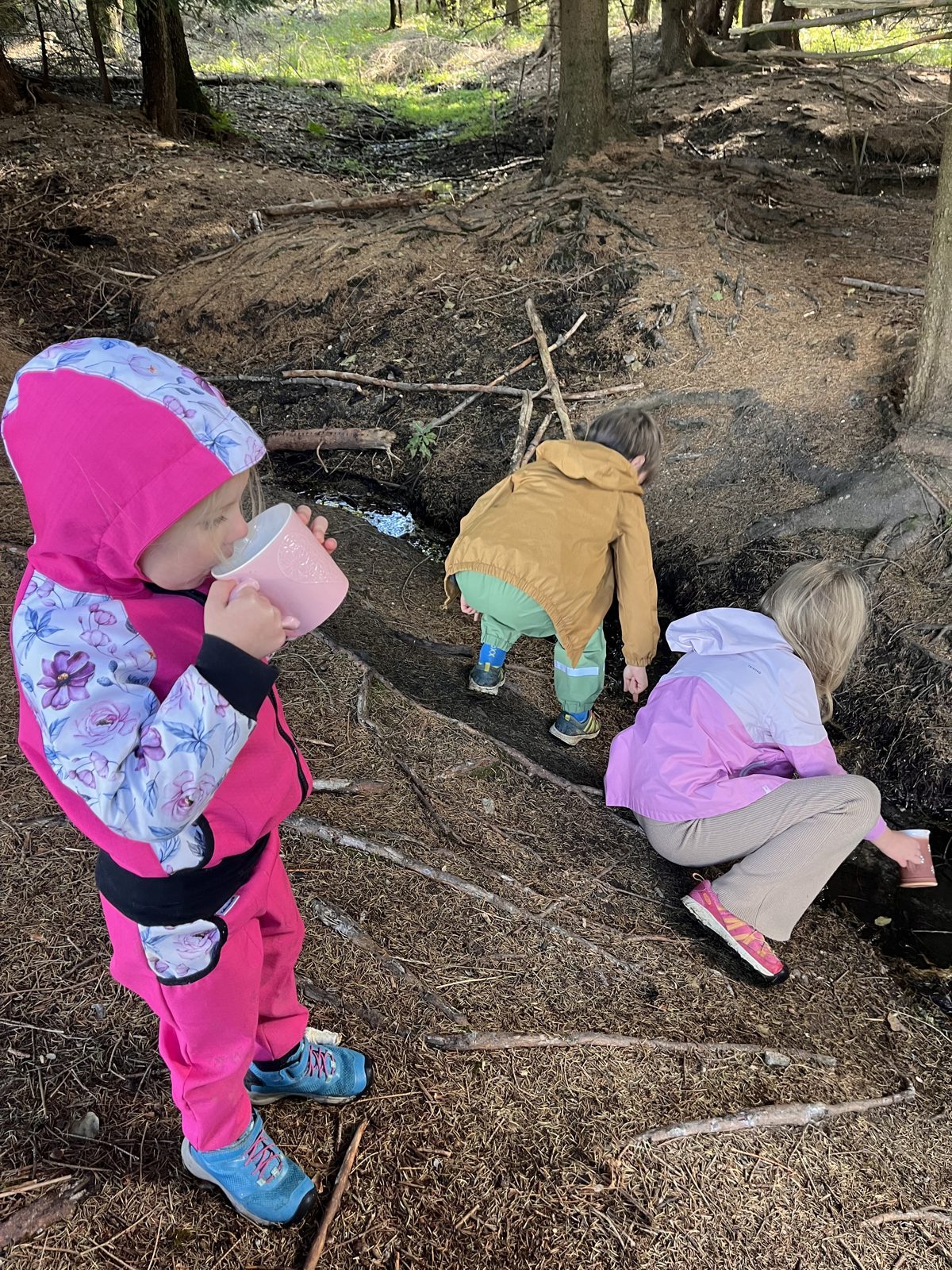
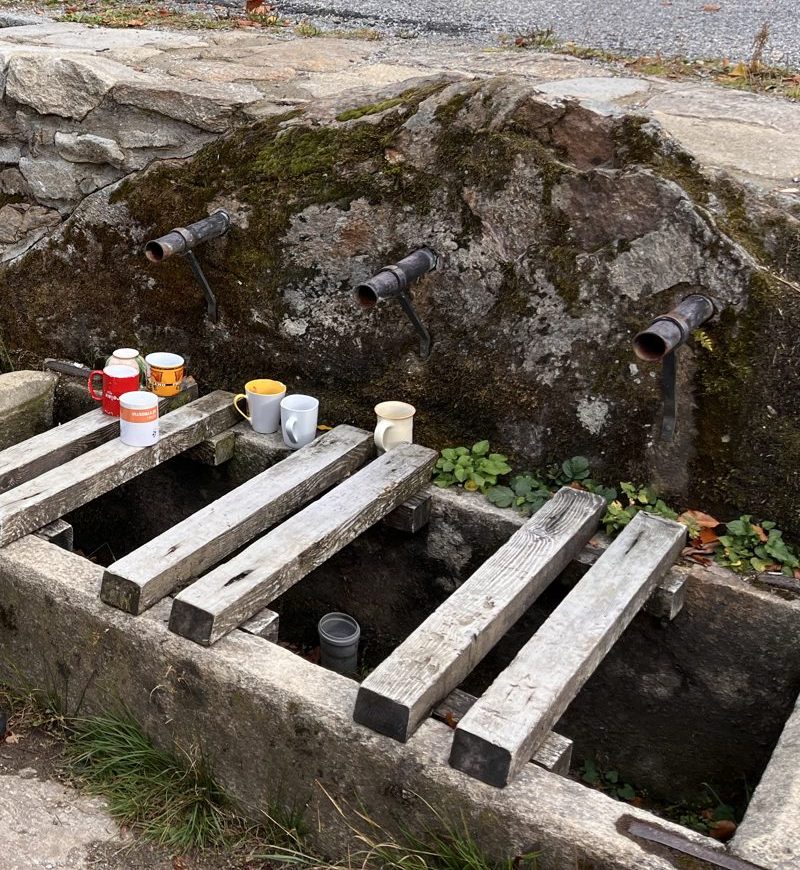
By the spring there’s peace and quiet, a bench and a few mugs hanging on a little rack. No neat well, more a soggy spot in the woods. But the thought that the river Prague drinks from starts right here has something to it.
Towns beneath the surface
For me, the Želivka has another, quite personal dimension. I grew up not far from the reservoir, and the stories of the flooded villages touched me from an early age. The reservoir is a strictly protected zone, so you can’t go near the water. That made it all the more of a mysterious place for me, and I used to imagine everything hidden beneath the surface.
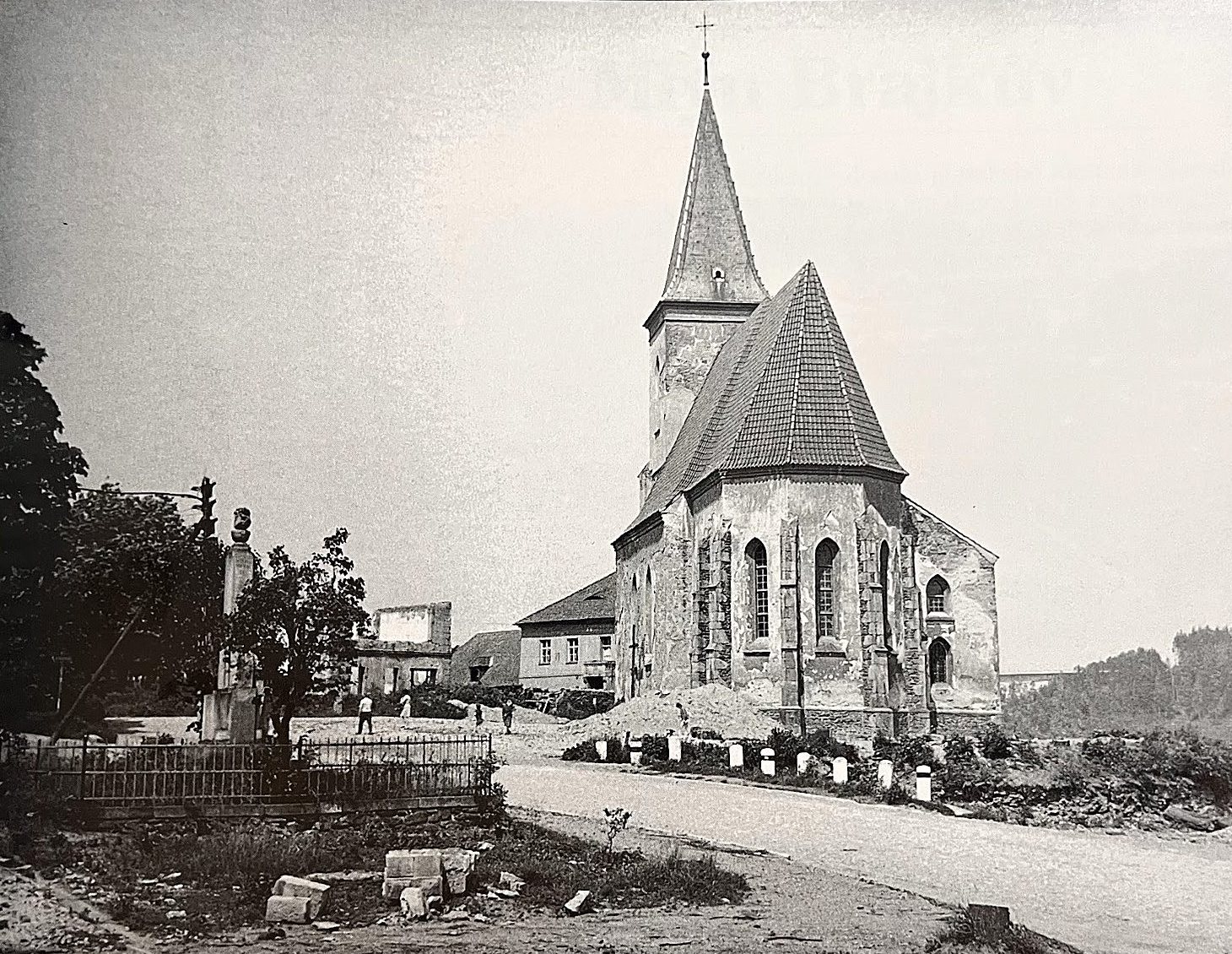
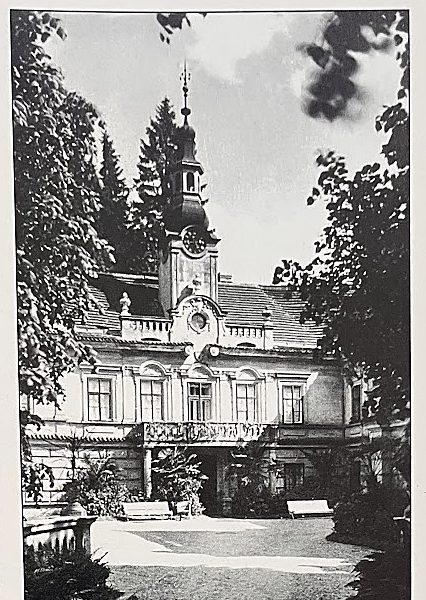
What always moved me most were the stories of old Dolní Kralovice. It was an enchanting little town with a chateau, a court, a distillery and the Gothic church of St John the Baptist. From 1970 people had to move away; the chateau was demolished in 1971 and the church in 1975. The same fate befell Budeč, Švihov, Příseka, Horní Kralovice, Borovsko, Hrádek, Libčice, Zámostí, Staré Hamry and Zahrádka. More than 3,600 people had to leave and almost 900 houses were torn down.
The people who lived here scattered to Prague, Benešov, Vlašim, Zruč, Ledeč or the newly built Dolní Kralovice. When I later talked with their descendants, I could feel a tangible family sadness – being torn from your roots, which doesn’t simply heal. At the same time, I know the Švihov reservoir is the largest store of drinking water in Central Europe and supplies more than a million people. It isn’t black and white; one thing isn’t good and the other bad. I’ve carried this inner struggle since childhood, and it will probably never end.
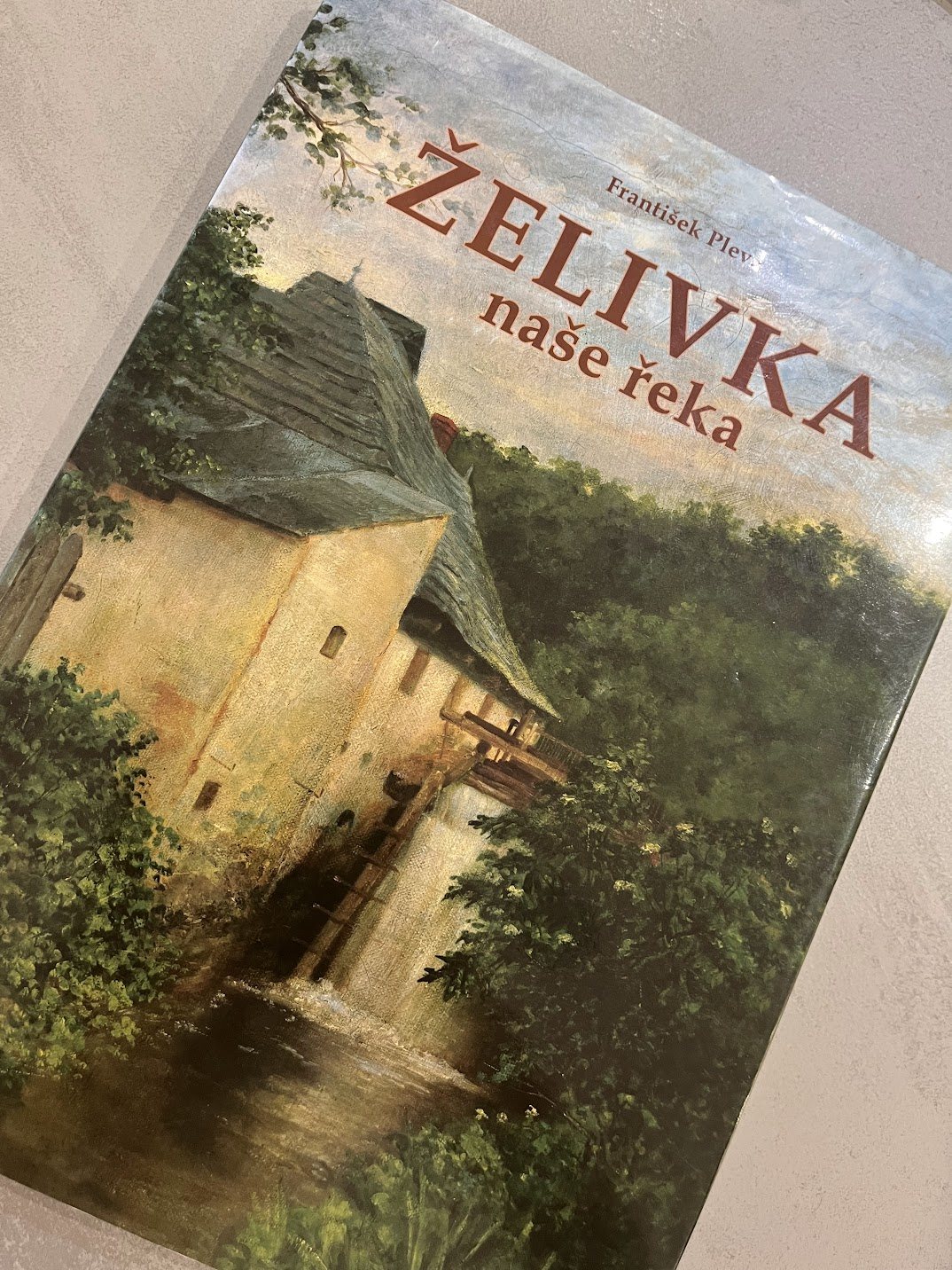
If you’d like to learn more about the Želivka, I warmly recommend the book Želivka: naše řeka (Želivka: Our River) by František Pleva. It is a beautiful, richly illustrated book full of photos and maps. It tells you everything about the Želivka – not only the flooded towns and villages, but also the history, topography and landmarks of the whole region along the river. It came out in 2003 and today you’ll find it mainly in second-hand bookshops.
Křemešník: Stations of the Cross, a church and a spring that only flows sometimes
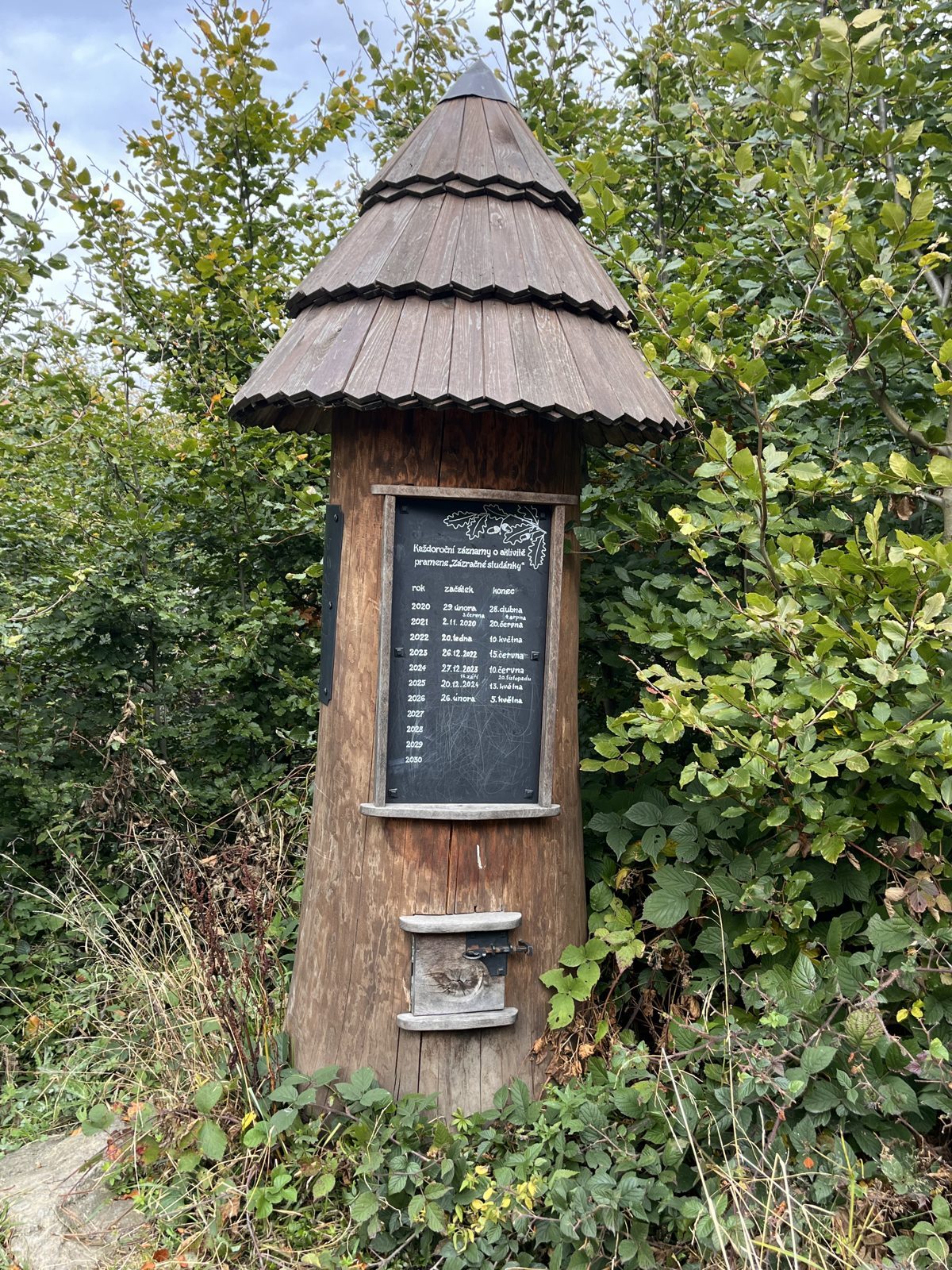
Below the summit of Křemešník (765 m) stands a small chapel with the Miraculous Spring. According to legend, a wounded soldier washed his wounds here during the Thirty Years’ War and they healed quickly. And so a pilgrimage site was born, once visited by thousands of people.
But the spring is special – it is a periodic spring. The water usually starts flowing around Christmas and disappears again in summer. We weren’t lucky and the channel was dry. At least we have a reason to come back. And we will come back, that’s certain, because it’s a beautiful place.
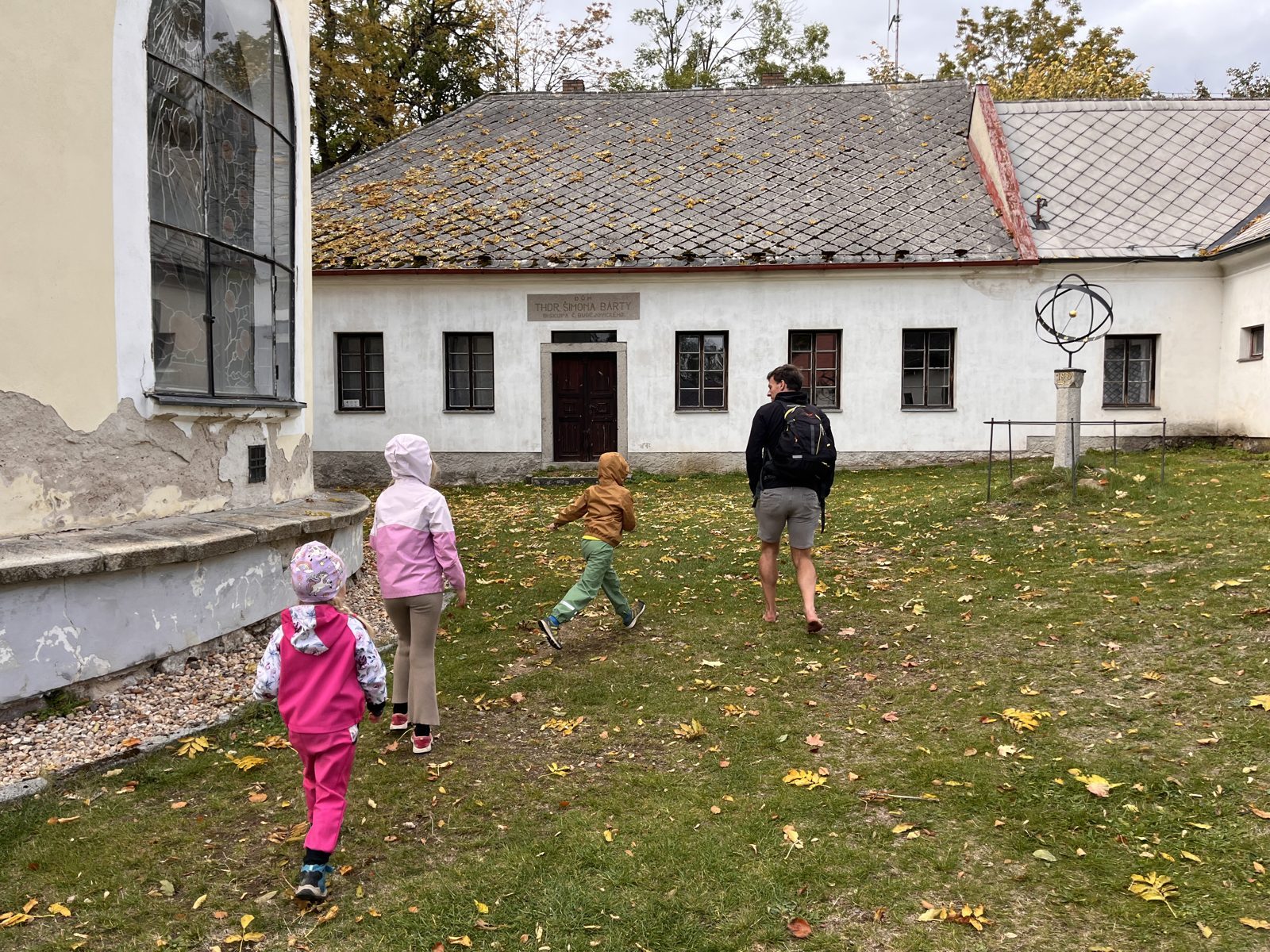
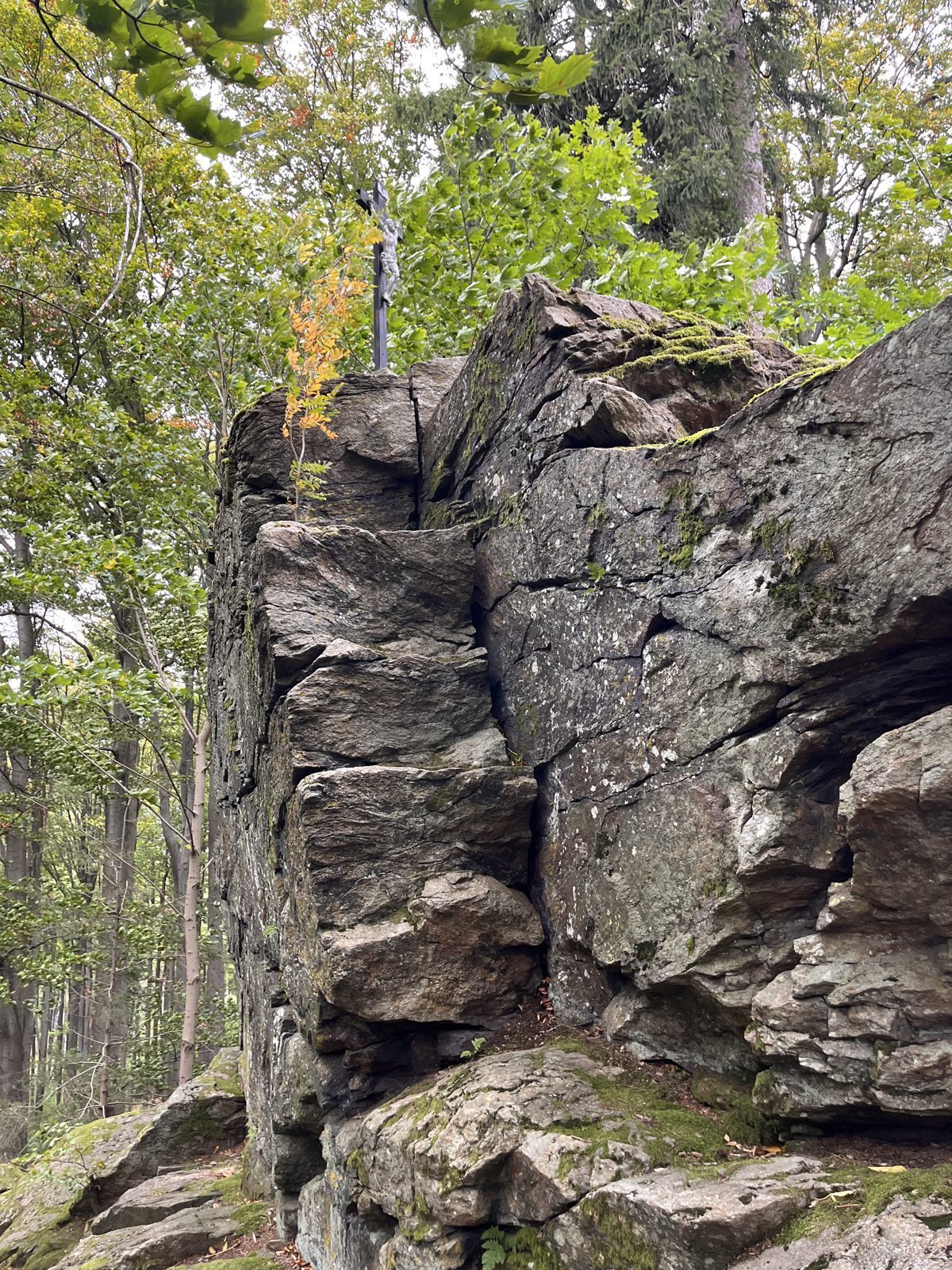
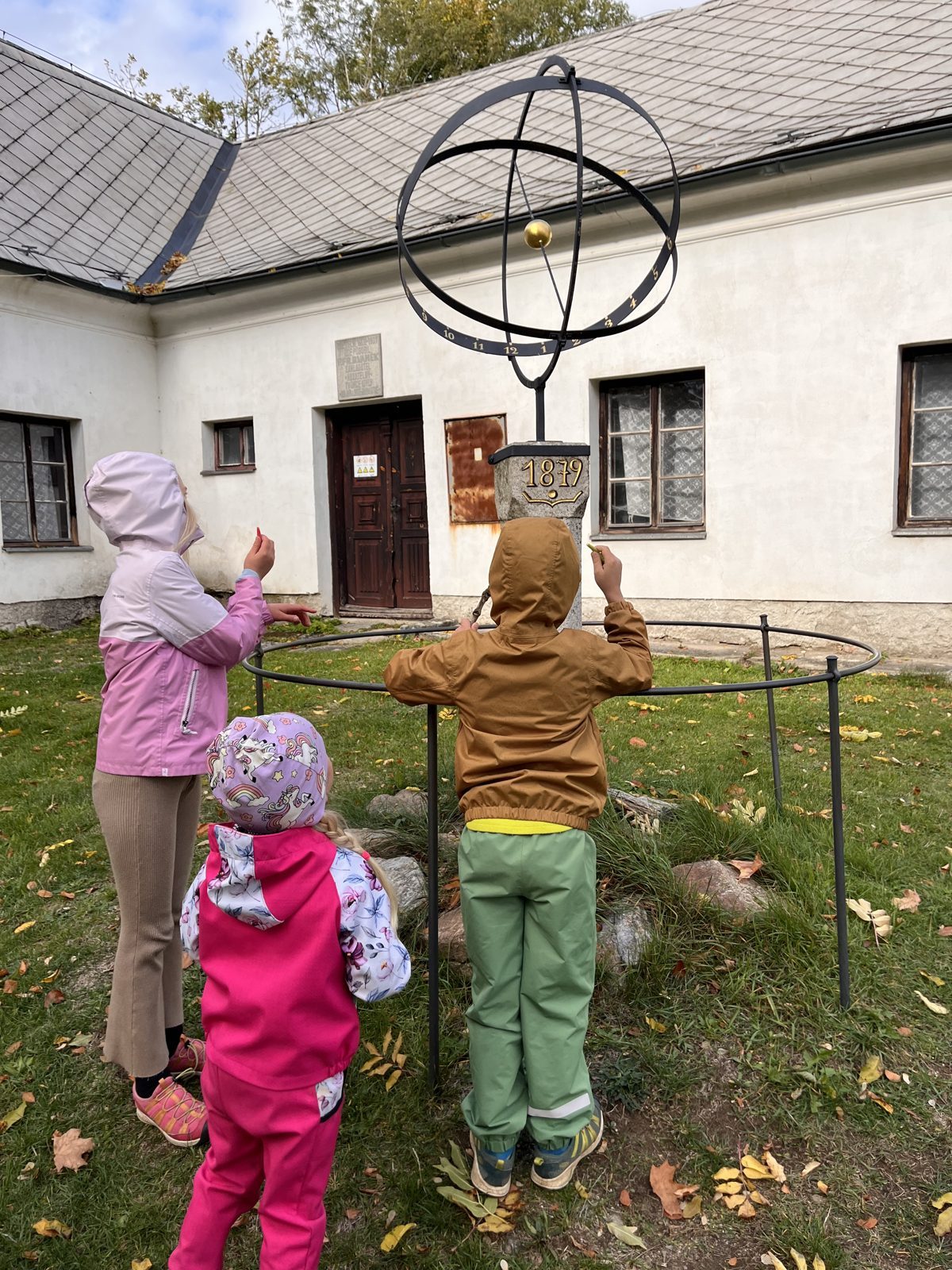
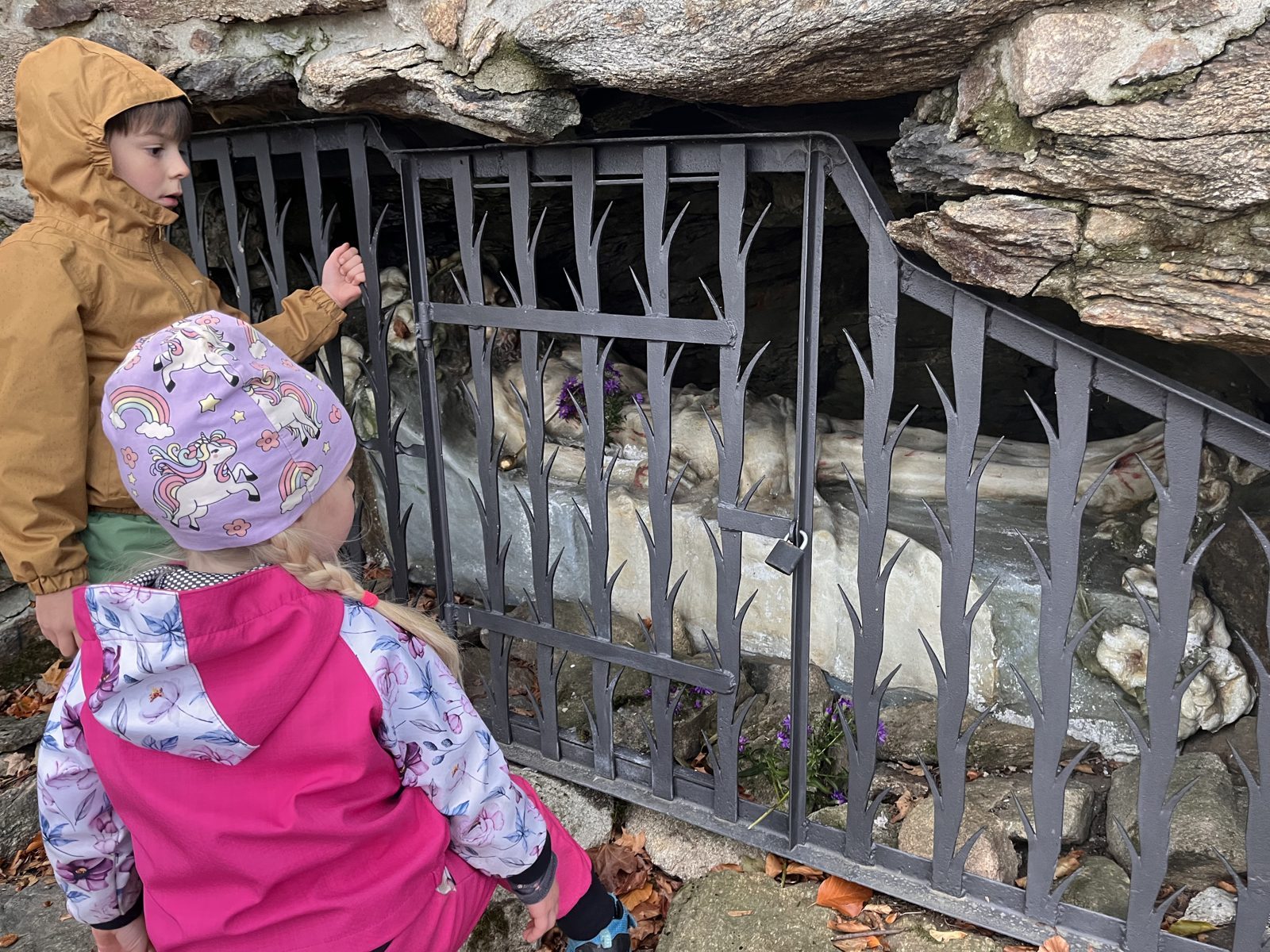
From the spring we walked up the Stations of the Cross. There are 14 stations in granite chapels from 1903–1906, ending at the Holy Sepulchre with a statue of Christ by Antonín Bílek. At the top we reached the Baroque pilgrimage church of the Holy Trinity. Not far from it stands a sundial from 1879 – three metal rings on a stone pillar. A clock that tells the time only by the sun is a little bit of magic for kids.
A sweet finish: 8smička in Humpolec
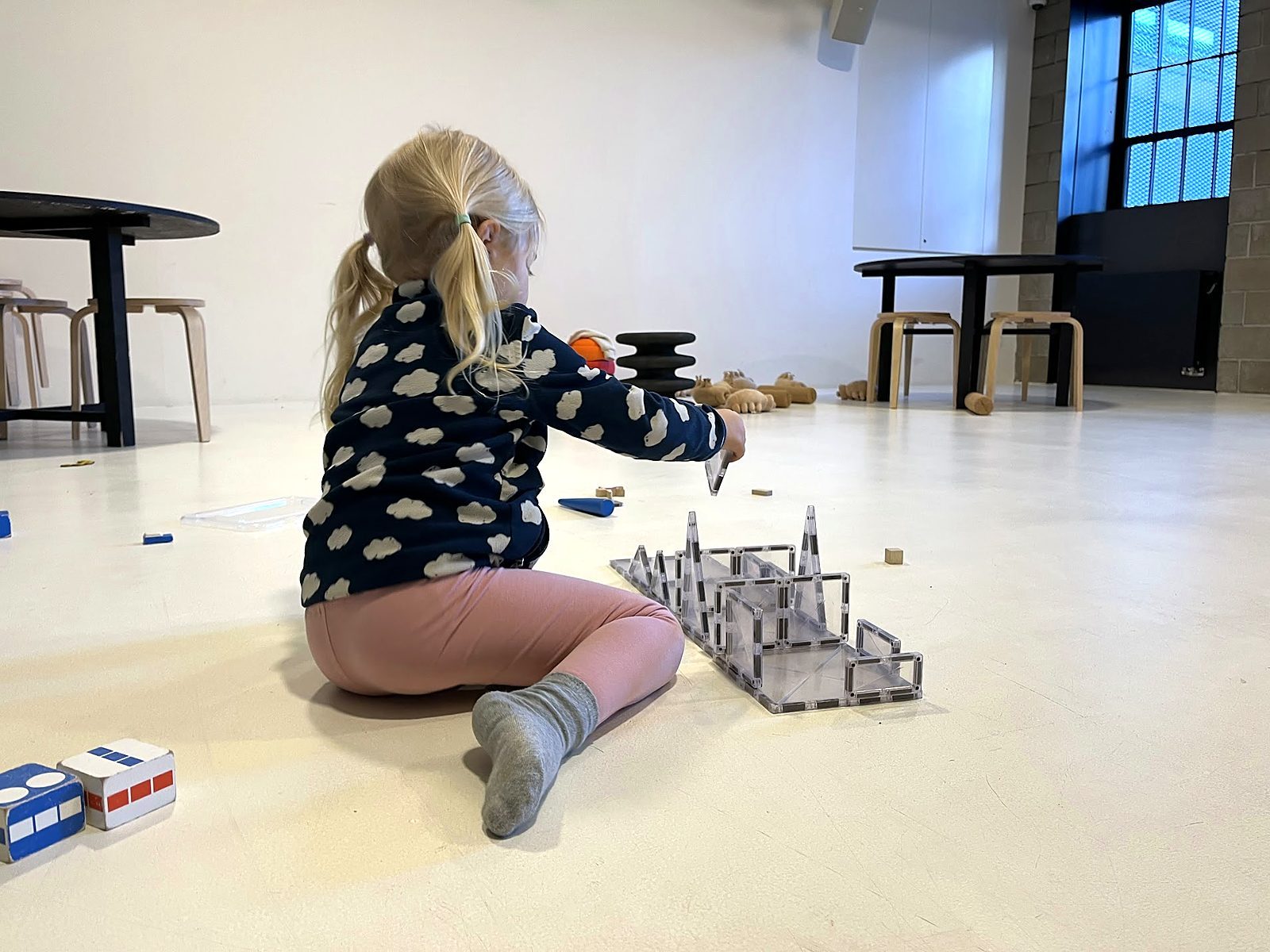
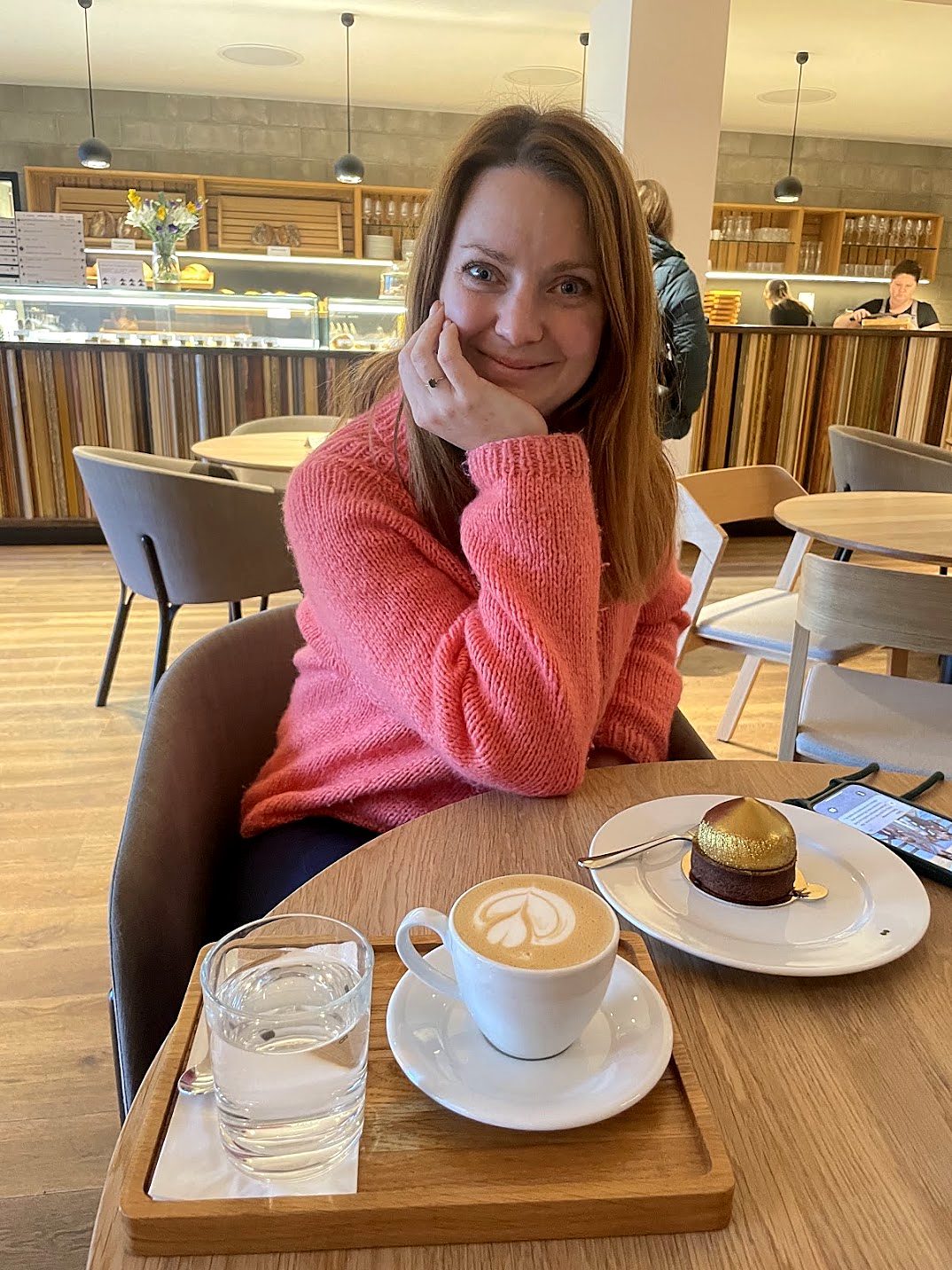
When we’re in the area, we love to end the trip at 8smička, the Zone for Art in Humpolec (Kamarytova 97). It’s in a former textile factory, and the kids have a great playroom there with the Špulka building set and a creative studio; they’ve recently added the Modu set too, and I think our Christmas present is decided. Meanwhile, we enjoy excellent coffee and brunch at Cafe 8smička.